Archive
The “All-Chinese” Swap: Fact-Checking the Labor Myths in Overseas Lithium Mining
By Marivel Guzman | Akashma News
September 18, 2026
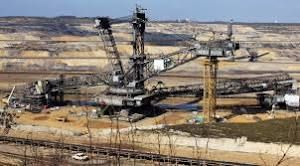
As the global race for electric vehicles and renewable energy accelerates, China has secured a dominant foothold in overseas lithium extraction. Along with this rapid expansion has come a persistent, highly volatile rumor: that Chinese state-backed companies are systematically firing local miners en masse to replace them entirely with imported Chinese workers.
While the narrative of a total labor replacement is a myth, it is fueled by a harsh reality of intense labor disputes, mass layoffs, and severe structural inequality within the mines.
The Myth: A Total Foreign Takeover
The belief that China completely bypasses domestic workforces is contradicted by independent field research. Across the “Lithium Triangle” in South America and mining hubs in Africa, data consistently shows that Chinese operations do not systematically import their entire labor force. Local citizens usually comprise 70% to 90% of the total workforce on these project sites, primarily filling manual, logistical, and general labor roles. Complete workforce replacement is neither logistically viable nor legally permitted under most host nations’ labor laws.
The Reality: Mass Firings and the “Replacement” Illusion
If local workers make up the vast majority of the staff, why does the rumor of a total Chinese swap persist? The answer lies in how Chinese firms manage labor disputes:
1. Retaliatory Layoffs: When local workforces strike or demand better working conditions, Chinese management frequently responds with abrupt, blanket terminations of local staff and union leaders.
2. The Automation Shift: Lithium extraction relies heavily on automated chemical processing rather than thousands of manual shovelers. Once local workers are laid off, companies use their pre-existing, highly insulated Chinese technical crews to keep the machinery moving.
3. The Visual Disconnect: To nearby communities, the sudden visual disappearance of local neighbors—juxtaposed with self-contained compounds of Chinese staff who remain completely untouched—looks exactly like an intentional labor swap.
Flashpoints in the Field
This volatile dynamic has sparked severe backlash in major lithium-producing regions:
● Argentina: Corporate restructuring following Chinese acquisitions has caused significant friction. In regions like Fiambalá, sudden mass layoffs of Argentine staff 8 triggered fierce protests outside plants, fueling local rumors that operators intended to bypass the domestic labor pool entirely.
● Zimbabwe: A major investigation into Chinese-operated lithium sites detailed a pattern of hazardous conditions and severe underpayment When local miners attempted to organize or protest, immediate firings followed, leaving only the insulated Chinese engineering teams visible at the sites.
● Namibia: A fact-finding mission by the Mineworkers Union of Namibia uncovered a stark “labor apartheid” that fed the replacement narrative. Local Namibian workers were forced to live in substandard zinc shacks, while Chinese technicians enjoyed air-conditioned quarters, highlighting a deep divide in how foreign versus domestic workers are valued.
The Real Issue: A Ceiling on Skill Transfer
The true problem with China’s overseas mining model is not the quantity of jobs, but their quality. By keeping high-paying, managerial, and advanced engineering roles exclusively for Chinese expatriates, host nations are denied critical technical training.
The rumor of an “all-Chinese swap” survives because it reflects an undeniable economic reality: local communities are hired only for low-wage manual labor and are easily discarded during disputes, while the “brains” of the operation remain entirely foreign.
The Responsibility of Host Countries
While it is easy to blame foreign enterprises for these corporate frictions, a deeper look reveals that host countries have a foundational responsibility to put their own house in order before seeking international financing. It is fundamentally unfair to expect foreign investors to inject billions of dollars in capital, take major financial risks, and import cutting-edge technology, only to be dragged into local labor disputes after the contract is signed.
Host governments must act as the primary buffer. They have an obligation to thoroughly negotiate with local labor unions and communities before signing binding international contracts. When a state outlines clear, transparent labor quotas, safety regulations, and community benefits from the outset, it protects both its citizens and the incoming capital.
The Long-Term Horizon: Modernization and Job Creation
Foreign investments play a giant role in the modernization of developing economies. History shows that the beginnings of massive industrial infrastructure projects are almost always painful, marked by cultural clashes, regulatory adjustments, and steep learning curves.
However, over the lifetime of the infrastructure, the narrative changes. As roads are paved, processing plants are established, and supply chains mature, local populations inevitably see the benefits. Sustained job creation, regional modernization, and economic integration take time, but they remain the most viable path forward for resource-rich nations seeking to climb the global value chain.


