Archive
The Patriarchal Paradox: Deconstructing the “Marriage Breakdown” Trap in Japan’s Rape Laws
By: Marivel Guzman |Akashma Online
Featuring Journalism By: Karryn Cartelle
September 20, 2026
——————————
1. Comparative Analysis: The Sourcing of a Cultural Crisis
A textual comparison reveals that the essay “Japan Cultural Crisis,” published on Akashma Online News,(March, 2008)uses the complete investigative report written by Karryn Cartelle for Metropolis Magazine and syndicated by Japan Today as its primary narrative foundation. Approximately 85% of the body text regarding the specific case study of a survivor named “Jane” is preserved verbatim from Cartelle’s original journalism.
However, Akashma Online News fundamentally alters the context of the piece by embedding Cartelle’s report within a broader geopolitical and historical framework. The publisher prefaces the journalism with an analytical commentary on the post-WWII structural flaws of the state, tracing institutional corruption back to the survival of the imperial household system. Furthermore, the publisher expands the article’s scope by interpolating historical data regarding structural sexual violence during military occupation campaigns, positioning Cartelle’s 2002–2008 contemporary case study not as an isolated failure of local law enforcement, but as the inevitable symptom of an unbroken patriarchal timeline.
2. The Post-WWII Structure: A .
Following World War II, a sweeping restructuring of the state legal architecture took place. The newly enacted Constitution of Japan introduced modern democratic principles, explicitly guaranteeing equality under the law regardless of sex under Article 14, and mandating under Article 24 that family laws must be derived from the standpoint of individual dignity and the essential equality of the sexes.
Yet, as emphasized in the editorial analysis by Akashma Online News, this democratic framework was superimposed onto deeply entrenched, traditional patriarchal structures. Because the post-war legal revisions preserved the symbolic framework of the Emperor system within Chapter I, the fundamental administrative, legislative, and judicial institutions remained structurally patriarchal.
The absolute legal authority previously granted to the male head of the household under the pre-war ie (patriarchal household) system was abolished on paper, but its cultural and systemic core persisted within law enforcement and the courts. By the early 21st century, this created a profound crisis where the state treated the preservation of the “intact” family unit as paramount, consistently prioritizing marital harmony over the individual bodily autonomy of married women.
3. Deconstructing the “Marriage Breakdown” Precedent
For decades, the legal reality of spousal sexual abuse in Japan was dictated by an ambiguous and highly restrictive judicial standard. While Article 177 of the historic Japanese Penal Code did not explicitly contain a written statutory exemption for husbands, the judicial system operated under a narrow interpretation: a husband could only be convicted of raping his wife if the marriage had already “effectively broken down.”
While legal formalists historically argued that this precedent proved marital rape was technically prosecutable, an analysis of the system’s practical execution reveals a dangerous legal double standard. By establishing that an existing, functional marriage served as a barrier to prosecution, the criminal justice system validated a husband’s functional “legal right” to rape his wife simply because she was his wife.
The word “his” functioned as a literal descriptor of legal possession. If a couple cohabitated and attempted to maintain their domestic life, prosecutors and police defaulted to the assumption of “permanent marital consent.” As long as the marriage was technically intact, the system treated a husband’s sexual demands as an enforceable marital right, rendering a rape conviction inside an unbroken marriage a structural impossibility.
4. The Bedroom Problem: The Impossibility of Proof
This structural framework created an insurmountable evidentiary barrier for victims seeking protection under the law: the bedroom problem.
To secure an indictment under the standards of 2008, the state required proof that the sexual act was accompanied by “assault or intimidation” so severe that it rendered the victim’s resistance “extremely difficult.” Because domestic sexual abuse occurs within the absolute privacy of the marital bedroom, third-party eyewitnesses are non-existent. To satisfy the state’s rigid evidentiary demands without an eyewitness, a victim was forced to provide extreme physical and circumstantial markers, including:
●Severe Physical Injury: Lacerations, extensive contusions, or torn clothing sufficient to prove she fought back with maximum physical force.
●Domestic Property Damage: Tangible evidence of a violent struggle within the home, such as broken furniture or overturned items.
●Immediate Systemic Disclosure: Explicit, unassailable records of immediate flight to a domestic violence shelter or a police station directly following the assault.
This standard created a lethal paradox. In an isolated domestic environment, a trapped spouse who shouts or fights back risks escalating the encounter into severe physical trauma or homicide. Yet, the judiciary operated under a rigid mythos of the “correct” rape victim. As documented by Akashma Online News, if a plaintiff failed to scream, cry out for help, or act with overt aggression during the assault, judges routinely concluded that she did not fit the archetype of a true victim, dismissing her testimony as a fabrication.
5. Hostile Enforcement, Statistical Erasure, and Secondary Assault
The institutional barriers to justice were reinforced by a hostile law enforcement apparatus. Case studies from the era, such as the investigation by Karryn Cartelle, demonstrate that victims who attempted to report sexual violence were systematically subjected to severe secondary trauma by authorities. Police departments routinely denied victims immediate medical examinations, prioritizing hours of grueling interrogation by rooms filled entirely with male officers. Victims were forced to answer invasive, irrelevant questions regarding their athletic backgrounds and past sexual histories, and were even made to direct male and female officers in physical re-enactments of the assault for police photographers.
This hostile environment resulted in widespread statistical erasure. Data compiled in 2006 by Japan’s Gender Equality Bureau revealed the following systemic gaps:
●Prevalence vs. Reporting: Out of 1,578 female respondents surveyed, 7.2% reported being raped at least once. Of those victims, 67% were assaulted by someone they knew well, yet only 5.3% reported the crime to the police.
●The Silence of Shame: Nearly 40% of victims who remained silent cited intense social embarrassment and structural stigma as the primary reasons for not seeking legal intervention.
●The Attrition Rate: In 2006, out of 1,948 officially reported rapes nationwide, only 1,058 perpetrators were arrested—an arrest rate of just 54.3% in a country that simultaneously boasted a 99% courtroom conviction rate once a case went to trial.
Furthermore, studies from the era highlighted severe underreporting, with advocacy networks estimating far higher hidden case numbers due to systemic barriers and out-of-court settlements. Grassroots advocacy groups like the Asia-Japan Women’s Resource Center (AJWRC) faced immense societal pushback, and international scrutiny—such as reprimands from the United Nations Committee Against Torture (UN CAT) via joint reports with the World Organization Against Torture ([OMCT]())—ultimately pressured the state toward reform. In July 2023, legislative updates redefined sexual crimes around non-consent standards, though activists note cultural enforcement changes remain ongoing.
References & Working Sources (APA Style)
For comprehensive documentation and source materials regarding gender equality advocacy, legal frameworks, and human rights reports in Japan, please consult the following primary organizations and databases:
* Asia-Japan Women’s Resource Center (AJWRC): https://www.ajwrc.org/en/
* Japan Today (Karryn Cartelle reporting): [Japan Today](https://japantoday.com/category/features/lifestyle/victims-are-finally-learning-to-speak-out-against-japan%25e2%2580%2599s-outdated-rape-laws)
* Japanese Law Translation Database System: [Japanese Law Translation](https://www.japaneselawtranslation.go.jp/) and Article 177 text via [Penal Code Reference](https://www.japaneselawtranslation.go.jp/en/laws/view/3581/en)
* Human Rights Now: [HRN Website](https://hrnny.org/)
* Akashma Online News: Akashma Online News
* l Nations Committee Against Torture (CAT): [OHCHR CAT](https://www.ohchr.org/en/treaty-bodies/cat)
* World Organization Against Torture (OMCT): [OMCT Website](https://www.omct.org/)
Pakistan’s Strategic Potential: A Path Forward Through Regional Alliances
By Akashma News November 3, 2012
UPADTED: November 14, 2024
Pakistan, a culturally rich nation with a strategic location spanning 340,509 square miles, features a 1,046-kilometer (650-mile) coastline along the Arabian Sea and the Gulf of Oman.
Its educated population and emerging urban centers signify a country poised for significant influence in South Asia. However, Pakistan’s growth potential remains constrained by governance challenges and heavy reliance on external powers.
In an interview on Defense and Diplomacy, Major Raja Mujtaba, a dear friend and respected military figure, and Akram Zaki, a seasoned diplomat, discussed the paths Pakistan could take to gain self-sufficiency and regional power. They emphasized that Pakistan’s future lies in regional cooperation and reducing its dependency on the West. January 26, 2012
U.S.-NATO-Zionist Regime Alliance and Its Impact on the Muslim World
Mujtaba and Zaki addressed the complex global dynamics that Pakistan must navigate, including the alliance between the United States, NATO, and the Zionist Regime. They argued that this alliance has often led to actions targeting Muslim-majority countries, under the guise of fighting terrorism or safeguarding Western interests. Pakistan, located at a strategic intersection between Central and West Asia, has experienced firsthand the ramifications of such policies, particularly concerning U.S. military operations in Afghanistan and drone strikes within its borders.
This “war on terror” approach, they noted, has contributed to destabilizing Muslim nations, creating a security dilemma that often pushes Pakistan and similar countries to adopt defensive postures. The political ramifications of this alliance have also extended to trade and defense policies, with U.S. influence pressuring countries to choose sides in conflicts, further complicating Pakistan’s foreign policy options.
Strengthening Regional Cooperation Through ECO and SAARC
Pakistan has been a member of the Economic Cooperation Organization (ECO) and the South Asian Association for Regional Cooperation (SAARC) for over 30 years. Pakistan has played an active role in both organizations and has hosted summits for both.
In response to these pressures, Mujtaba and Zaki stressed the importance of the Economic Cooperation Organisation (ECO) and the South Asian Association for Regional Cooperation (SAARC) as avenues for fostering resilience.
The ECO, which includes Pakistan, Iran, and Central Asian countries, offers a platform for collective economic development. As Mujtaba noted, historical and cultural linkages make the ECO a natural foundation for building economic self-reliance. By expanding trade routes and infrastructure projects, the ECO can help counterbalance Western influence, especially in the energy and defense sectors.
In addition, SAARC provides another framework for regional engagement. Mujtaba and Zaki suggested that granting China a permanent membership in SAARC could offset India’s influence and create a more balanced regional power structure. Furthermore, including Afghanistan in SAARC underscores the value of incorporating neighboring states with shared goals of peace, stability, and development.
The Gwadar Project and Strategic Defense Partnerships
One of Pakistan’s most promising projects is the Gwadar port, envisioned as a hub for oil and gas trade, ideally situated to serve the needs of the ECO and beyond. Mujtaba believed Gwadar’s success hinges on establishing pipelines from Central Asia and Iran, potentially transforming Pakistan into a pivotal player in the global energy market. Cooperation with China, a key partner through the China-Pakistan Economic Corridor (CPEC), is essential for the success of this venture. Pakistan’s commitment to trilateral agreements with China and Iran, covering areas from defense to civil aviation and technology, could help strengthen its economic resilience and defense capabilities.
Imran Khan’s Imprisonment and
Pakistan’s Political Landscape’s internal challenges are compounded by the recent imprisonment of former Prime Minister Imran Khan. His detention, viewed by many as politically motivated, has brought Pakistan’s democratic system under scrutiny. Human rights advocates and international observers have called for transparency, arguing that his arrest is indicative of deeper issues within the country’s political environment.
Conclusion: A Vision for Pakistan’s Independence
Pakistan stands at a crossroads, balancing the influence of powerful global players with its aspirations for regional autonomy. Leaders like Major Raja Mujtaba envisioned an independent Pakistan, fortified through alliances with regional partners and rooted in economic self-reliance. As emphasized in the interview with Akram Zaki, Pakistan’s strategic goals can be achieved through deeper engagement with the ECO and SAARC, the development of Gwadar, and an assertive approach toward economic and political self-determination. Achieving this vision requires visionary leadership committed to Pakistan’s sovereignty and its rightful place as a significant regional player.
Raja Mujtaba’s Military Legacy and Passing
Major Raja Mujtaba, a well-respected defense analyst, and a Pakistani Army veteran left a notable legacy in military and defense circles. His career spanned critical military conflicts and intense international dynamics, often focusing on Pakistan’s strategic needs and its defense capabilities. Sadly, he passed away from cardiac arrest, leaving a void in both military and analytical communities. Mujtaba was admired not only for his contributions but also for his character, as described in a Veterans Today tribute, which highlighted his visits with Pakistani elites, TV interviews, and debates aimed at advocating for Pakistan’s strategic autonomy and collaborative defense efforts with nations like China and Iran. His death marked a profound loss to his friends, colleagues, and admirers worldwide.
Defense and Diplomacy on PTV world
Haniyeh: Gaza paid ‘dear price’ to free prisoners
Haniyeh: Gaza paid ‘dear price’ to free prisoners
October 14, 2011 15:50
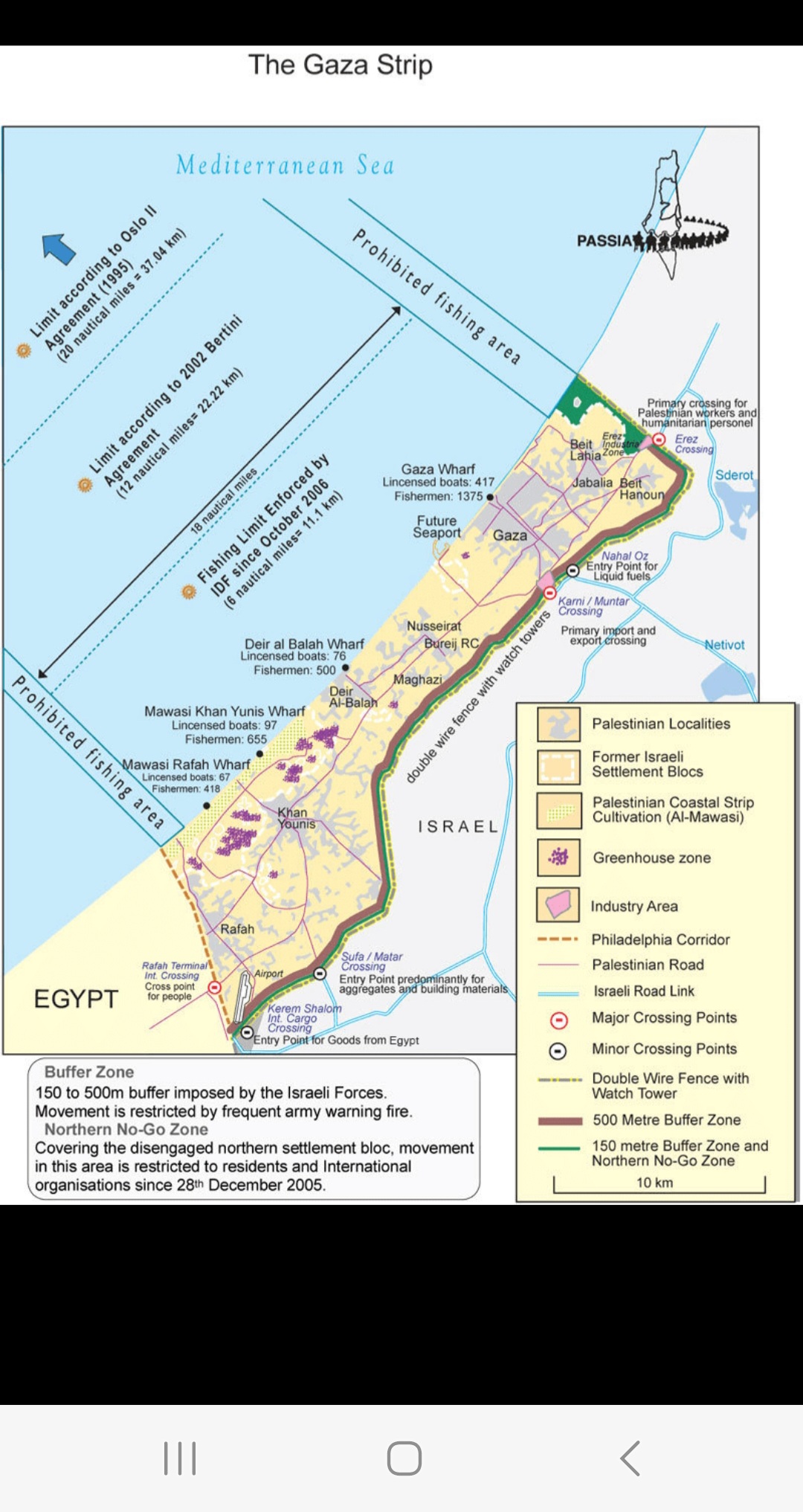
Few days before the prisoner exchange deal with Israel, the Prime Minister Ismail Haniyeh said the Palestinians in Gaza paid a “dear price” to free detainees. Haniyeh said on Friday, that today, our people will harvest the fruit of one destination of Jihad and steadfastness.
“Gaza has paid a dear price of blood and martyrs and agonies in actions the occupation had carried under the slogan of freeing Shalit,” Haniyeh told a crowd of worshipers before prayers in a Gaza City mosque.
“The great Palestinian people paid all that price in order to free the prisoners because we believe that the value of man is derived from the value of the homeland.”
The prisoner swap set to take place on Oct. 18, the deal took three years in the making, it was finally brokered last week with Egyptian mediation between Israel and the political party Hamas, which won Palestinian’s elections for the Gaza District on Janyary 26, 2006.
Over 1,000 Palestinian detainees will be freed in exchange for Israeli soldier Gilad Shalit, who was captured by Izz ad-Din al-Qassam Brigades in a cross-border raid in 2006.
Some 450 Palestinian men and 27 women are due to be released in the first phase of the swap, with Shalit expected to be handed over to Israel simultaneously. A further 550 Palestinians will be released in two months.
An official in the Popular Resistance Committee’s military wing released a list of prisoners it says Israel agreed to free in exchange for Shalit. It has not been verified by Israel or Hamas.
Israel is set to publish the list of prisoners it will free late on Saturday. It has already been said that almost 300 of them are men serving life terms.
After the list is released on the Israel Prisons Authority website, there will be a 48-hour period during which the Supreme Court can hear legal objections.
Families of the Israeli victims have said they will protest, but this is not expected to halt the swap, which has broad political and public support in Israel.
There are at least 6,000 Palestinian prisoners in Israeli jails. They are regarded as heroes in their struggle against Israeli occupation and quest for statehood.
Ma’an staff contributed to this report


